Physical memorial
Name + dates + inscription
The bench or plaque remains as it is: brief, lasting, and part of the place.
LifeMarked for Heritage
Memorial benches, plaques and commemorative markers often tell us who is remembered, but rarely who they were. LifeMarked connects physical memorials at historic places to beautifully designed digital stories that visitors can discover with a simple smartphone scan.
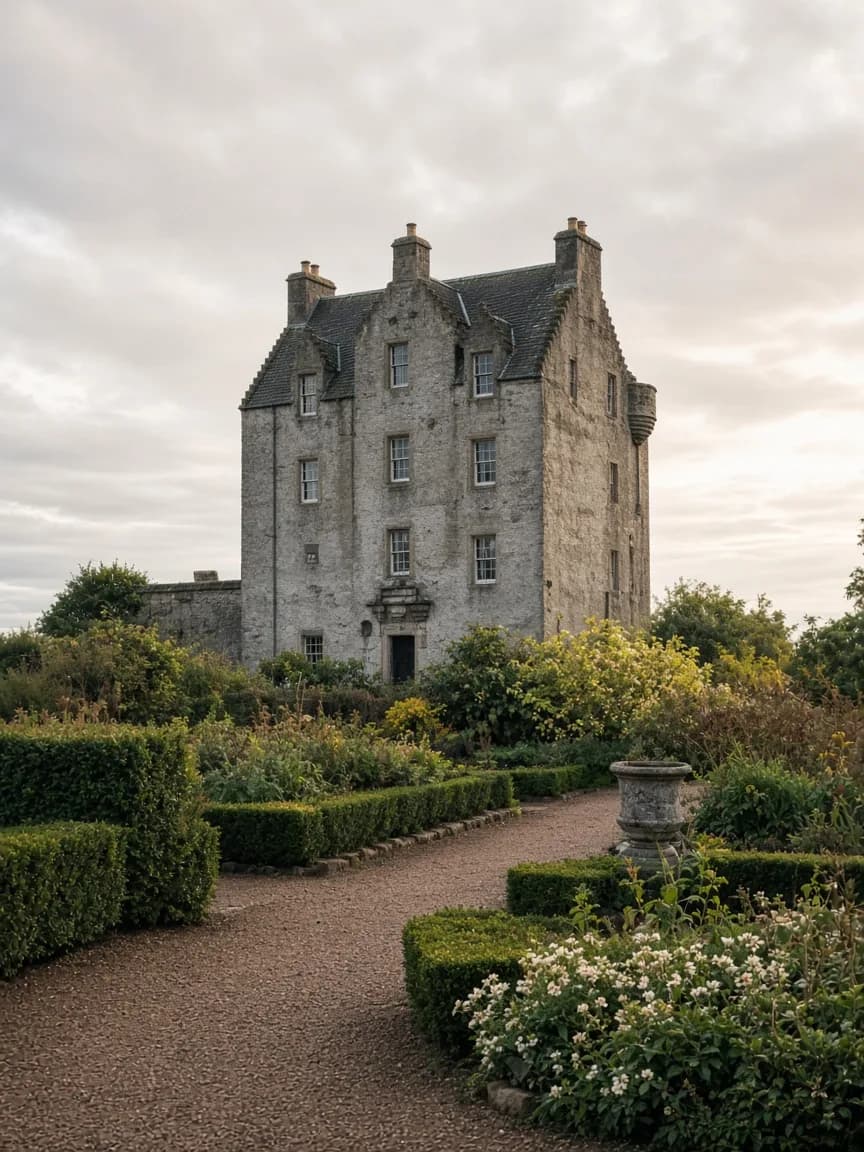
01
A memorial at a historic place
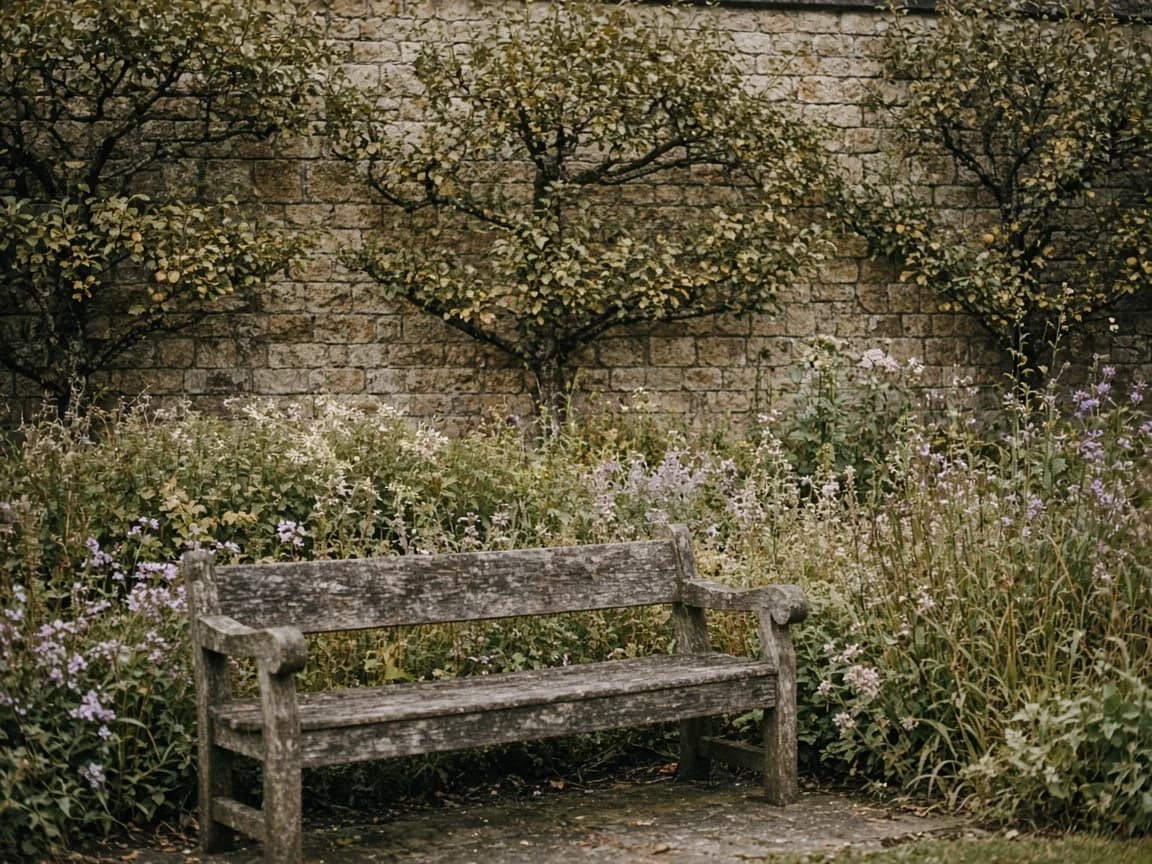
02
A bench, plaque or marker
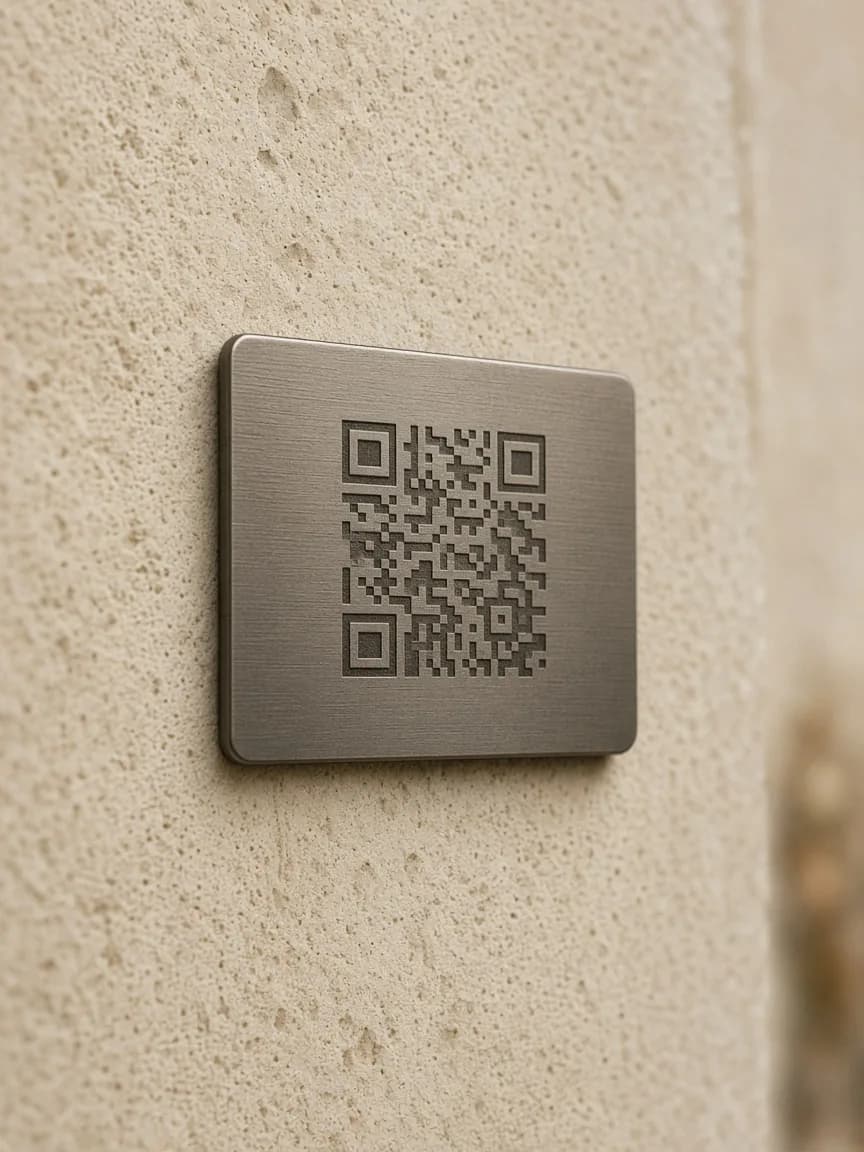
03
LifeMarked marker concept
Glenmore Keep
Sandy Fraser
1928–2009
He cared for this place for more than forty years.
04
The story on a phone
Physical memorials are deliberately concise. A digital layer gives organisations the freedom to preserve the photographs, voices, memories and historical context that cannot fit onto a plaque.
Physical memorial
Name + dates + inscription
The bench or plaque remains as it is: brief, lasting, and part of the place.
discreet LifeMarked marker
Digital story
Biography + archives + photographs + memories + media
Visitors scan a discreet LifeMarked marker with their ordinary camera. No app is required.
The heritage organisation chooses an existing memorial, plaque, bench or person whose connection to the site deserves deeper interpretation.
LifeMarked works with the organisation and, where appropriate, relatives or local historians to create the digital profile from approved material.
A discreet marker is added alongside the physical memorial. Visitors scan it with their normal smartphone camera and immediately open the story.
Explain the person behind a bench and why that location mattered to them.
Expand a short inscription into a fuller biography and historical record.
Tell the stories of custodians, craftspeople, architects, historians, benefactors, residents, staff or others who shaped the place.
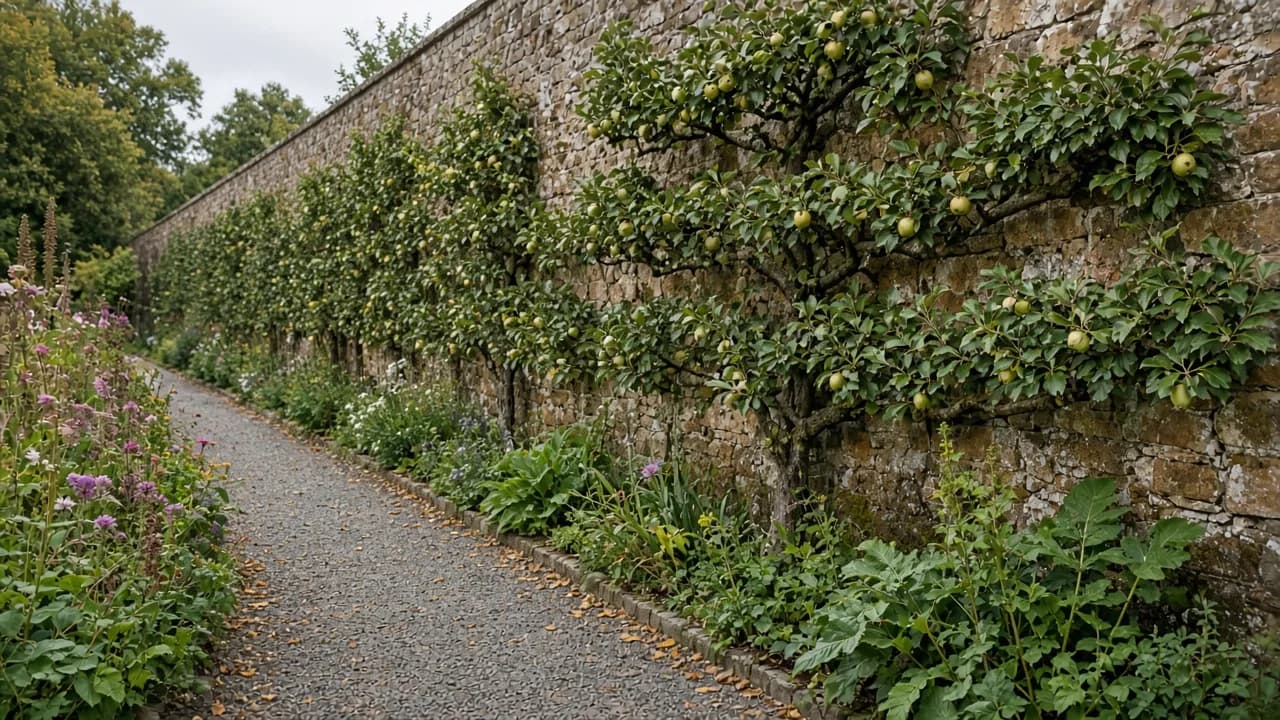
Connect physical remembrance with photographs, oral histories and personal stories.
A heritage profile can be as simple or as rich as the available material allows. Nothing here is required. The point is to keep what already exists — photographs, notebooks, recordings, approved archive pieces — together in a form visitors can find.
Visitors understand why someone is commemorated rather than seeing only a name.
Stories, photographs and oral histories can be kept together digitally.
Visitors open the story instantly with their normal phone. No app is required.
Digital content can evolve without replacing the physical plaque.
The physical marker remains small and sympathetic to the existing memorial.
The organisation controls the approved content.
LifeMarked works collaboratively with the organisation. We help shape the presentation. We do not independently decide what historical interpretation is correct, and we do not own institutional archive material.
Where families or descendants contribute, the organisation can decide what belongs in the official profile.
The organisation remains in control
LifeMarked provides the digital storytelling, presentation, hosting, marker and a collaborative way of making the profile. Source material, historical accuracy, archive permissions and final content stay with you.
A fictional heritage example
Glenmore Keep is a fictional small Scottish house in Perthshire. Sandy Fraser is a fictional gardener who cared for it for more than forty years. Together they show what a visitor would see after scanning a LifeMarked marker beside a memorial bench.
This is demonstration content, created so heritage organisations can judge the experience rather than imagine it.
View Sandy’s story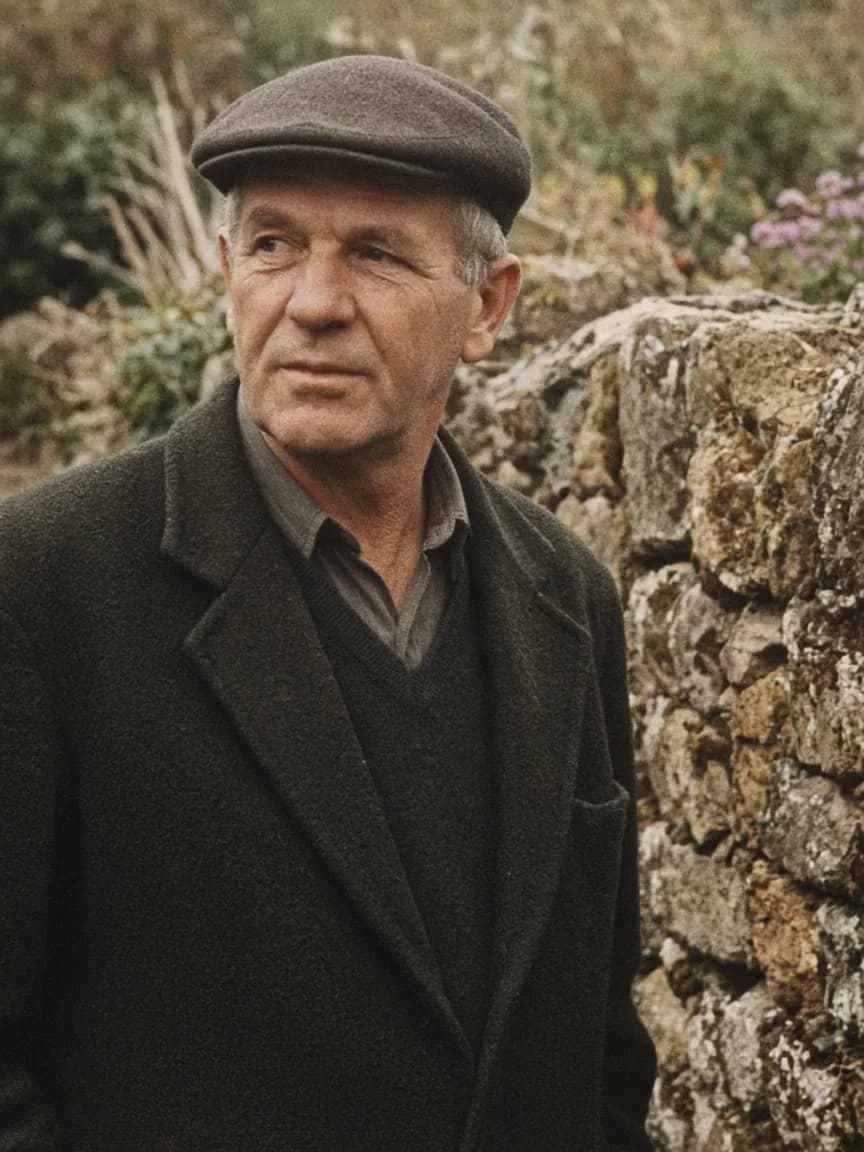
We are inviting a small number of heritage organisations to explore LifeMarked through a collaborative pilot.
For selected heritage pilots, LifeMarked can offer
Selected heritage pilots can be delivered at no cost to the organisation.
In return, we ask only that discreet LifeMarked attribution remains on the physical marker and digital profile, helping visitors understand who provides the experience.
A pilot could begin with one memorial bench, several memorials within one property, or a small group of people connected to one historic site. If it proves useful, the same approach can be extended to further appropriate locations.
We’re currently exploring a small number of collaborative heritage pilots.
Discuss a heritage pilot